

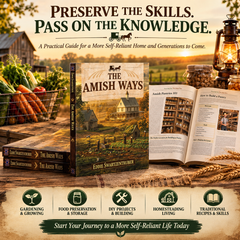
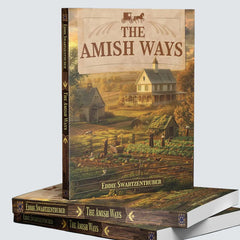
🏡 HOMESTEADING FAVORITE | Practical Self-Sufficiency Guide – Food, Pantry, Home & Traditional Living Skills
- $39.98 USD
$5.00 USD- $39.98 USD
- Unit price
- per
Others Also Bought












-
Enjoy free shipping on orders over $50. Orders are processed within 1–3 business days and typically arrive within 7–15 business days.
-
We work with trusted international shipping partners to deliver orders worldwide.
-
Tracking information will be sent by email once your order ships, and you'll receive updates at key stages of transit until your package arrives.
Shop with confidence! We offer a 30-day return and exchange policy from the date you receive your order.
If you're not completely satisfied with your purchase, please contact our customer support team for assistance.
For return or exchange requests, please email us at support@householdchoose.com.
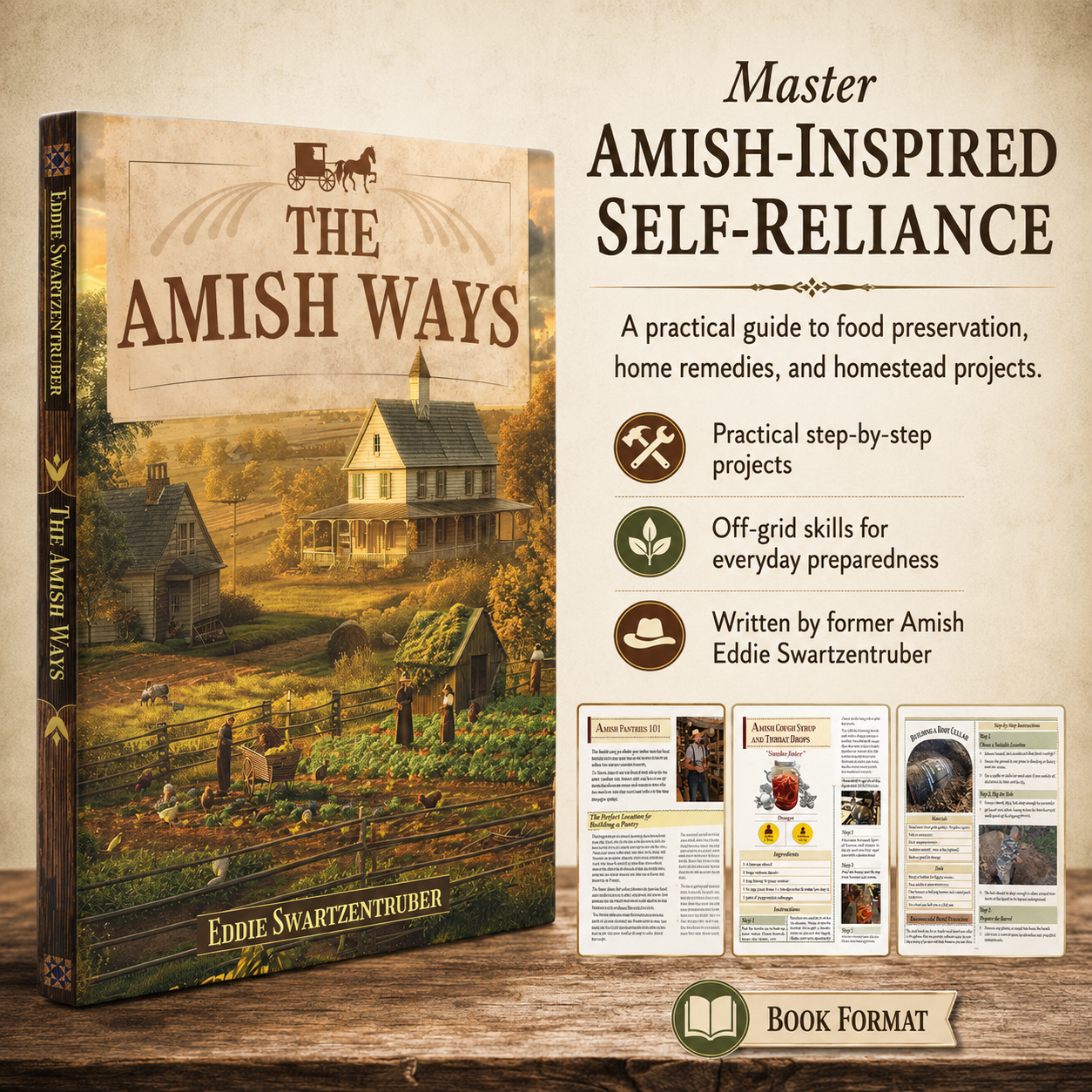
Practical Old-Fashioned Skills For A More Self-Reliant Life
Explore traditional approaches to food storage, preservation, household projects and everyday homestead skills in one physical reference you can keep on your shelf.
🌾 Practical Knowledge
Focused on useful, hands-on ideas rather than general inspiration alone.
📖 Physical Reference
A printed guide you can return to whenever you need it.
🏡 Everyday Independence
Learn traditional ways to rely more on your own home, pantry and skills.
Not Just Stories. Practical Know-How.
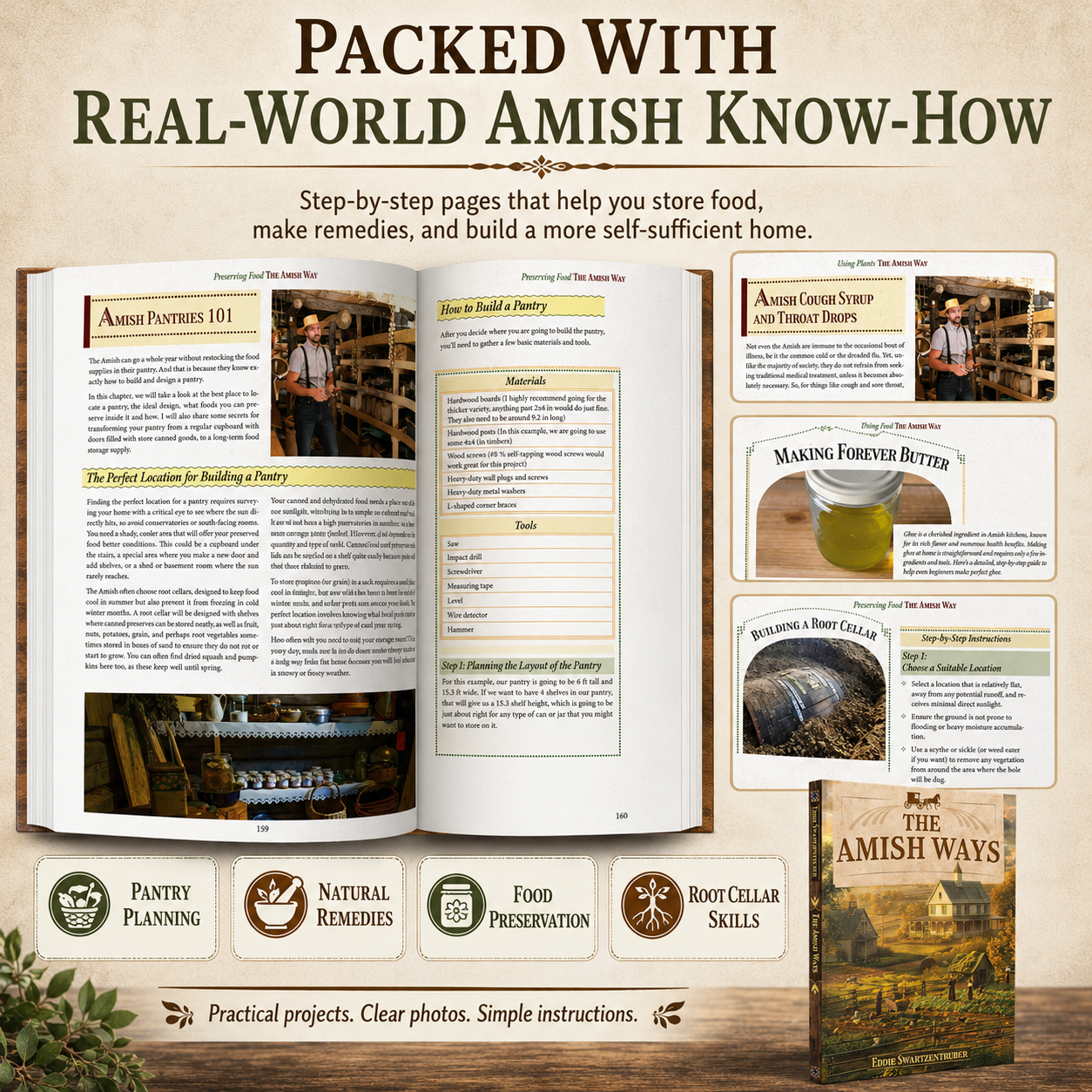
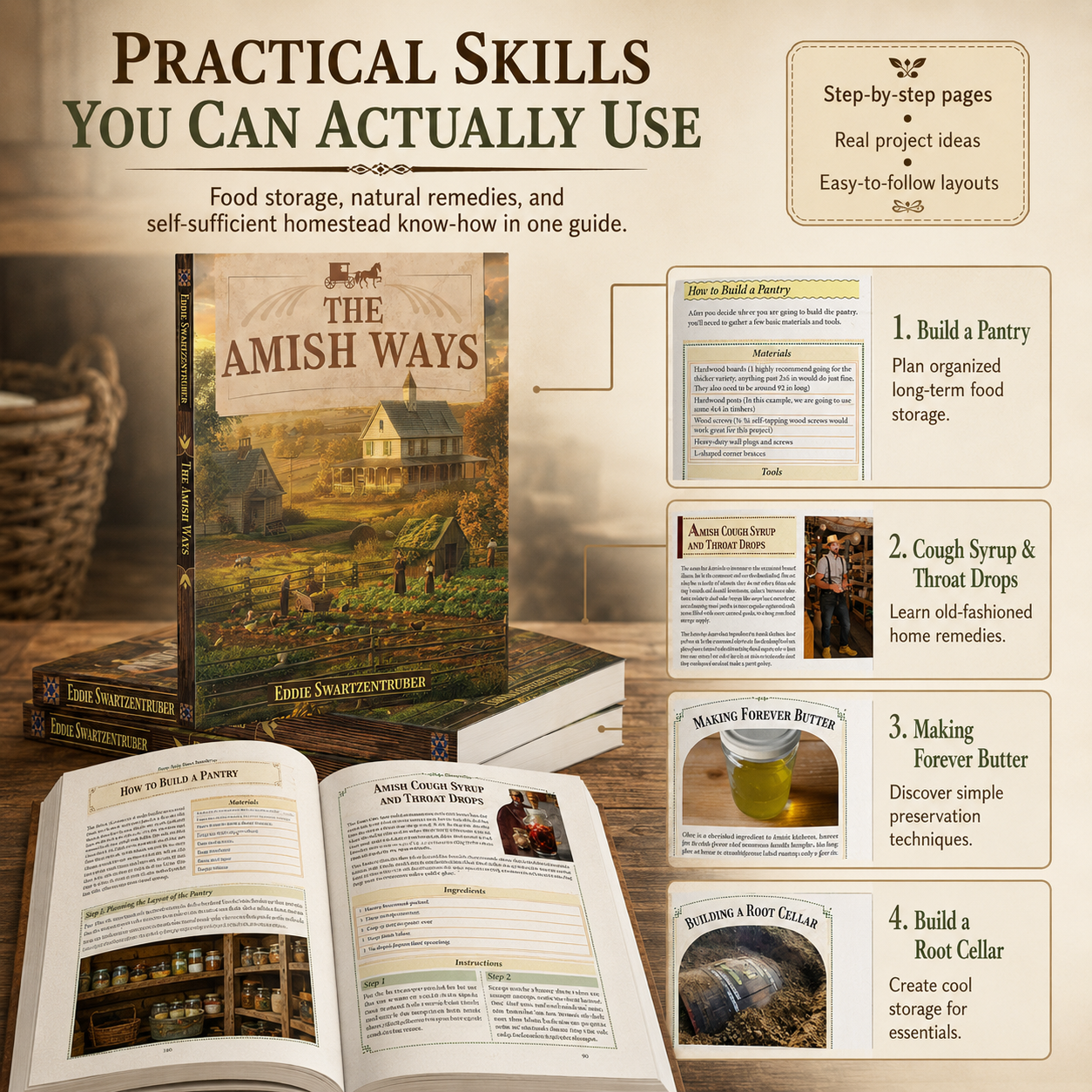
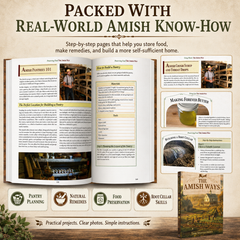
The pages include real project-style layouts with materials, tools, ingredients and step-by-step instructions for selected topics.
🧰 Materials
See what you need before beginning selected projects.
🔨 Tools
Understand the basic equipment used in practical builds.
📋 Instructions
Follow organized steps instead of piecing information together from multiple sources.
FOOD & PANTRY
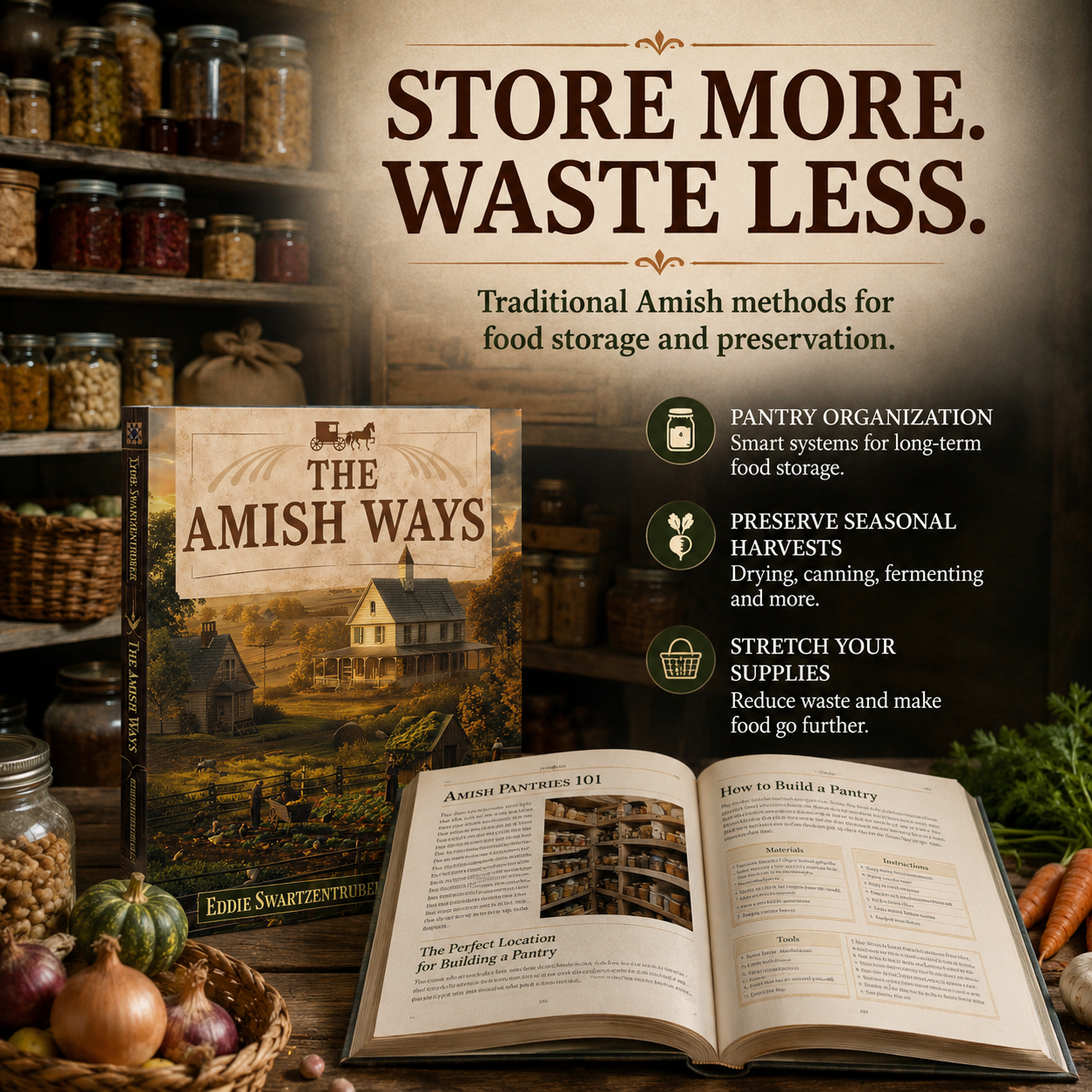
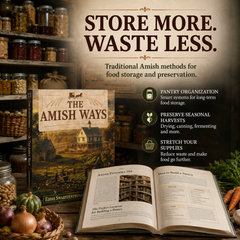
Store More. Waste Less. Rely On Your Pantry.
Explore traditional approaches to pantry planning, food storage and preservation that can help you think differently about keeping useful staples at home.
Build knowledge around what you grow, what you preserve and how you store it.
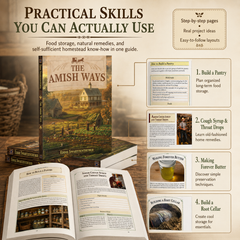
Build Useful Systems With Simple Materials
Some sections move beyond theory and show practical homestead-style projects, including pantry planning and root-cellar style storage concepts.
1. Plan
Understand the location, materials and basic requirements.
2. Build
Work through the project in clearly organized stages.
3. Use
Turn the finished setup into a practical part of your home or homestead routine.
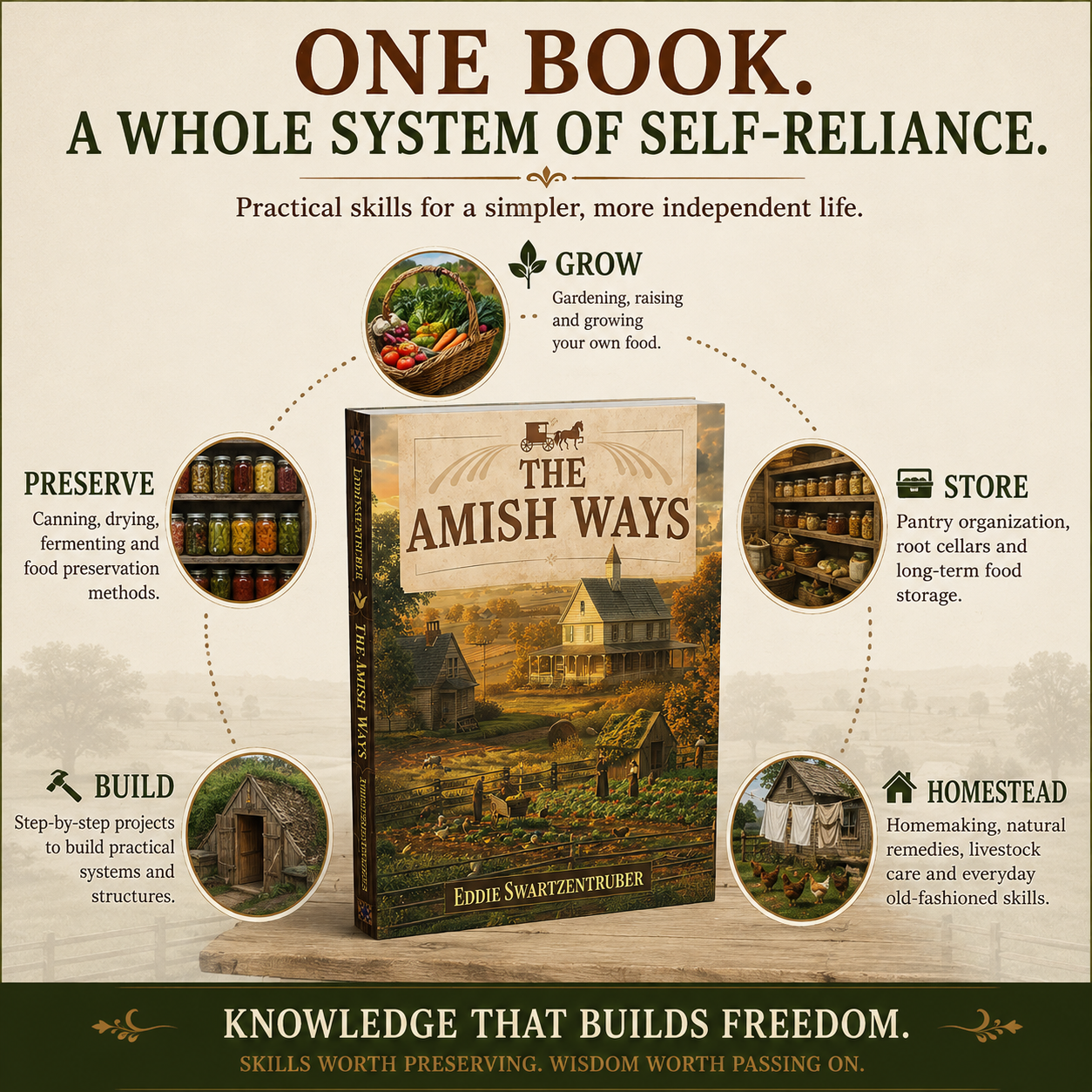
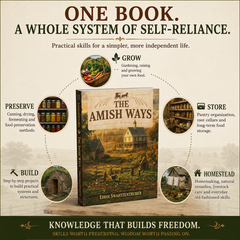
A Whole System Of Everyday Self-Reliance
The strongest value is not one isolated trick — it is seeing how traditional skills connect across food, storage, home projects and daily living. 🌱
GROW
PRESERVE
STORE
BUILD
HOMESTEAD
Knowledge That Doesn't Need Wi-Fi
Keep a physical reference close at hand for the kitchen, pantry, garden and workshop — no subscription, scrolling or battery required to read it.
A book you can mark, revisit and keep as part of your household reference shelf.
EXAMPLES FROM THE PROVIDED PAGES
What You Can Explore Inside
Based on the sample pages provided, the book includes material across several practical areas.
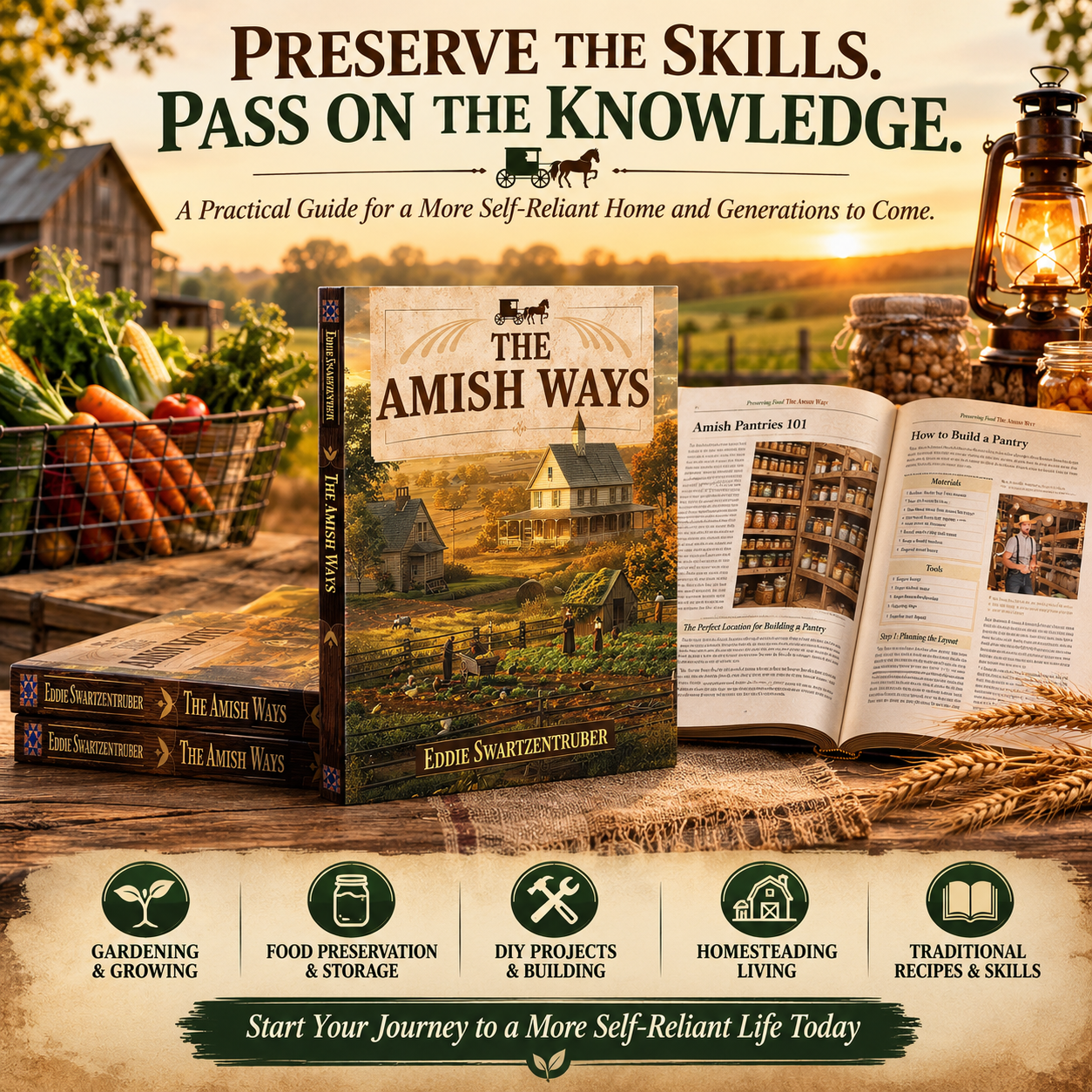
🥫 Pantry Planning
Topics shown include choosing pantry locations, storage considerations, materials, tools and layout steps.
🧈 Traditional Food Preparation
Sample pages show step-by-step preparation and storage guidance for selected traditional foods.
🪵 Root Cellar Concepts
The provided pages include a practical root-cellar style project with location, materials and construction stages.
🌿 Traditional Household Recipes
Some pages document traditional household preparations and recipes as part of the broader historical lifestyle knowledge.
Important: Traditional household recipes shown in the book are presented as informational/historical content. They should not be treated as medical advice or as a substitute for professional care.
AUTHOR PERSPECTIVE
Presented Through An Amish-Life Perspective
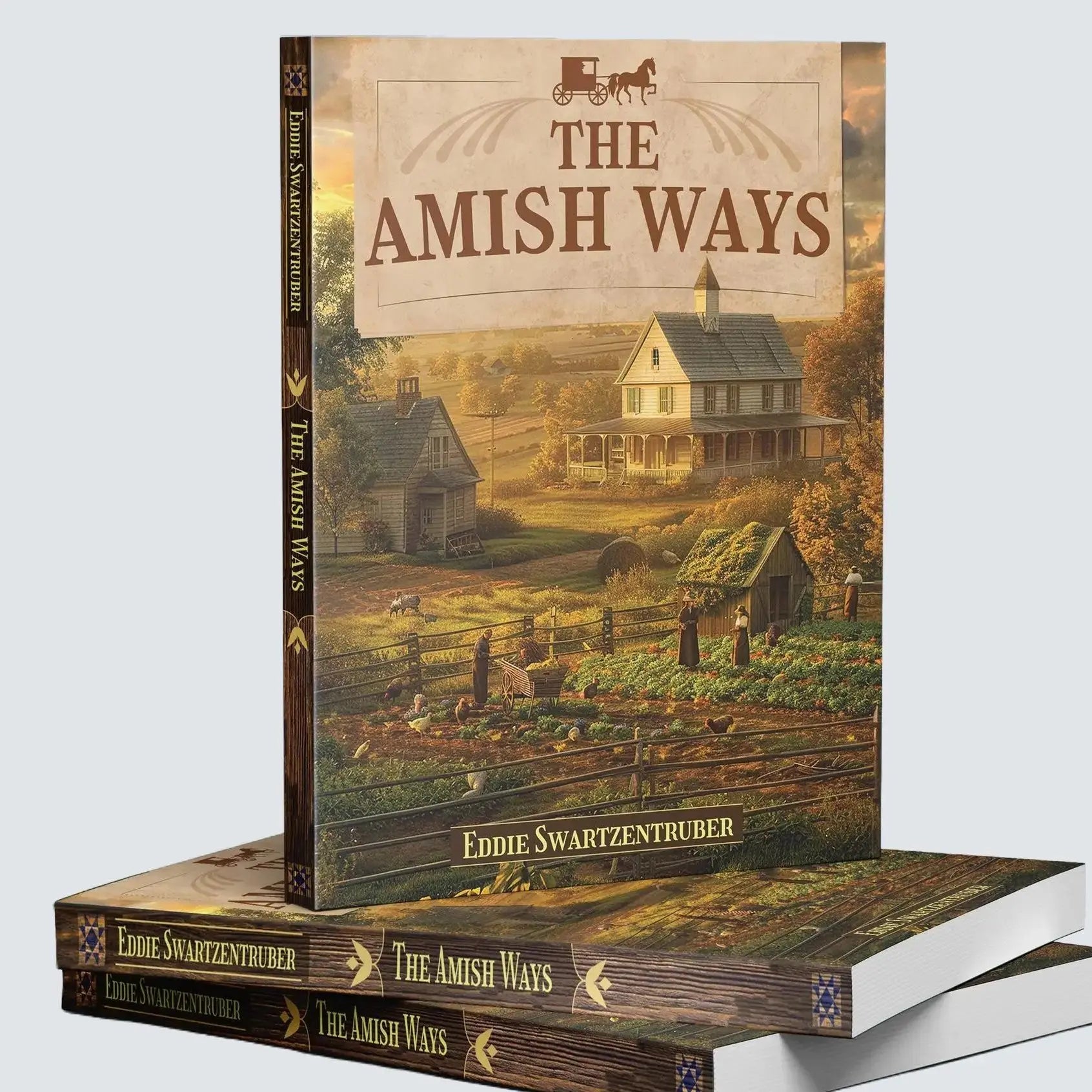
The product materials identify Eddie Swartzentruber as the author and describe the book as drawing on first-hand familiarity with Amish life and traditional practices.
📘
Format: Physical reference book
✍️
Author shown in provided materials: Eddie Swartzentruber
🏡
Focus: Traditional self-reliance, food, pantry, household and homestead-style skills
Frequently Asked Questions
Is this mainly a history book?
The provided sample pages show practical how-to content, including materials lists, ingredients, tools and step-by-step instructions for selected topics.
What kinds of subjects are shown in the sample pages?
The materials you provided include pantry planning, traditional food preparation, household recipes and a root-cellar style project.
Do I need internet access to use it?
No. It is a physical printed reference that can be read and revisited without internet access.
Is the traditional health-related content medical advice?
No. Traditional recipes and preparations should be treated as informational content, not as medical diagnosis, treatment or professional healthcare advice.
Preserve The Skills. Pass On The Knowledge.
Build a household reference around practical food, storage and homestead knowledge you can return to again and again.
Product imagery and sample topics should match the edition you are selling. Avoid presenting traditional recipes as medical claims or guaranteed outcomes.
-
Enjoy free shipping on orders over $50. Orders are processed within 1–3 business days and typically arrive within 7–15 business days.
-
We work with trusted international shipping partners to deliver orders worldwide.
-
Tracking information will be sent by email once your order ships, and you'll receive updates at key stages of transit until your package arrives.
Shop with confidence! We offer a 30-day return and exchange policy from the date you receive your order.
If you're not completely satisfied with your purchase, please contact our customer support team for assistance.
For return or exchange requests, please email us at support@householdchoose.com.
Practical Old-Fashioned Skills For A More Self-Reliant Life
Explore traditional approaches to food storage, preservation, household projects and everyday homestead skills in one physical reference you can keep on your shelf.
🌾 Practical Knowledge
Focused on useful, hands-on ideas rather than general inspiration alone.
📖 Physical Reference
A printed guide you can return to whenever you need it.
🏡 Everyday Independence
Learn traditional ways to rely more on your own home, pantry and skills.
Not Just Stories. Practical Know-How.
The pages include real project-style layouts with materials, tools, ingredients and step-by-step instructions for selected topics.
🧰 Materials
See what you need before beginning selected projects.
🔨 Tools
Understand the basic equipment used in practical builds.
📋 Instructions
Follow organized steps instead of piecing information together from multiple sources.
FOOD & PANTRY
Store More. Waste Less. Rely On Your Pantry.
Explore traditional approaches to pantry planning, food storage and preservation that can help you think differently about keeping useful staples at home.
Build knowledge around what you grow, what you preserve and how you store it.
Build Useful Systems With Simple Materials
Some sections move beyond theory and show practical homestead-style projects, including pantry planning and root-cellar style storage concepts.
1. Plan
Understand the location, materials and basic requirements.
2. Build
Work through the project in clearly organized stages.
3. Use
Turn the finished setup into a practical part of your home or homestead routine.
A Whole System Of Everyday Self-Reliance
The strongest value is not one isolated trick — it is seeing how traditional skills connect across food, storage, home projects and daily living.🌱
GROW
PRESERVE
STORE
BUILD
HOMESTEAD
Knowledge That Doesn't Need Wi-Fi
Keep a physical reference close at hand for the kitchen, pantry, garden and workshop — no subscription, scrolling or battery required to read it.
A book you can mark, revisit and keep as part of your household reference shelf.
EXAMPLES FROM THE PROVIDED PAGES
What You Can Explore Inside
Based on the sample pages provided, the book includes material across several practical areas.
🥫 Pantry Planning
Topics shown include choosing pantry locations, storage considerations, materials, tools and layout steps.
🧈 Traditional Food Preparation
Sample pages show step-by-step preparation and storage guidance for selected traditional foods.
🪵 Root Cellar Concepts
The provided pages include a practical root-cellar style project with location, materials and construction stages.
🌿 Traditional Household Recipes
Some pages document traditional household preparations and recipes as part of the broader historical lifestyle knowledge.
Important: Traditional household recipes shown in the book are presented as informational/historical content. They should not be treated as medical advice or as a substitute for professional care.
AUTHOR PERSPECTIVE
Presented Through An Amish-Life Perspective
The product materials identify Eddie Swartzentruber as the author and describe the book as drawing on first-hand familiarity with Amish life and traditional practices.
📘
Format: Physical reference book
✍️
Author shown in provided materials: Eddie Swartzentruber
🏡
Focus: Traditional self-reliance, food, pantry, household and homestead-style skills
Frequently Asked Questions
Is this mainly a history book?
The provided sample pages show practical how-to content, including materials lists, ingredients, tools and step-by-step instructions for selected topics.
What kinds of subjects are shown in the sample pages?
The materials you provided include pantry planning, traditional food preparation, household recipes and a root-cellar style project.
Do I need internet access to use it?
No. It is a physical printed reference that can be read and revisited without internet access.
Is the traditional health-related content medical advice?
No. Traditional recipes and preparations should be treated as informational content, not as medical diagnosis, treatment or professional healthcare advice.
Preserve The Skills. Pass On The Knowledge.
Build a household reference around practical food, storage and homestead knowledge you can return to again and again.
Product imagery and sample topics should match the edition you are selling. Avoid presenting traditional recipes as medical claims or guaranteed outcomes.
Why We're The Best...

Free Shipping Over $50

Safe & Secure Checkout

Hassle-Free Returns

100% Money-Back
There's More To See
Example product title
- $39.98 USD
$5.00 USD- $39.98 USD
- Unit price
- per
Example product title
- $39.98 USD
$5.00 USD- $39.98 USD
- Unit price
- per
Example product title
- $39.98 USD
$5.00 USD- $39.98 USD
- Unit price
- per
Example product title
- $39.98 USD
$5.00 USD- $39.98 USD
- Unit price
- per
Example product title
- $39.98 USD
$5.00 USD- $39.98 USD
- Unit price
- per
Example product title
- $39.98 USD
$5.00 USD- $39.98 USD
- Unit price
- per
Example product title
- $39.98 USD
$5.00 USD- $39.98 USD
- Unit price
- per
Example product title
- $39.98 USD
$5.00 USD- $39.98 USD
- Unit price
- per
Example product title
- $39.98 USD
$5.00 USD- $39.98 USD
- Unit price
- per
Example product title
- $39.98 USD
$5.00 USD- $39.98 USD
- Unit price
- per
Recently Viewed Products
Example product title
- $39.98 USD
$5.00 USD- $39.98 USD
- Unit price
- per
Example product title
- $39.98 USD
$5.00 USD- $39.98 USD
- Unit price
- per
Example product title
- $39.98 USD
$5.00 USD- $39.98 USD
- Unit price
- per
Example product title
- $39.98 USD
$5.00 USD- $39.98 USD
- Unit price
- per
Example product title
- $39.98 USD
$5.00 USD- $39.98 USD
- Unit price
- per
Example product title
- $39.98 USD
$5.00 USD- $39.98 USD
- Unit price
- per
Example product title
- $39.98 USD
$5.00 USD- $39.98 USD
- Unit price
- per
Example product title
- $39.98 USD
$5.00 USD- $39.98 USD
- Unit price
- per
Example product title
- $39.98 USD
$5.00 USD- $39.98 USD
- Unit price
- per
Example product title
- $39.98 USD
$5.00 USD- $39.98 USD
- Unit price
- per

- Choosing a selection results in a full page refresh.